
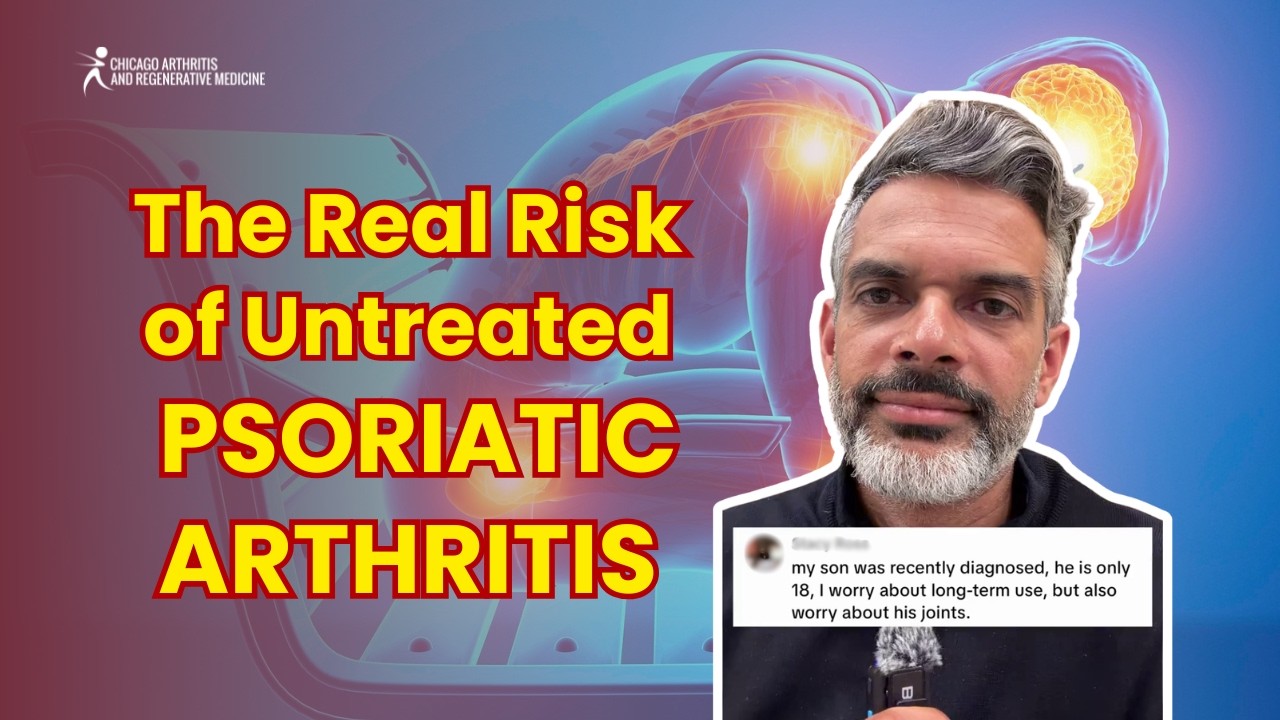
Is Long-Term Arthritis Medication Safe? What a Chicago Rheumatologist Wants You to Know
If you’ve been diagnosed with an inflammatory arthritis condition — like rheumatoid arthritis, psoriatic arthritis, or ankylosing spondylitis — you’ve probably asked yourself the same question many patients ask:
“Is it really safe to stay on this medication long term?”
It’s a fair question. But according to Chicago rheumatologists, the more important question is often the opposite one: What happens if inflammatory arthritis goes untreated?
Let’s break down how to think about this decision — and why, for most patients, the benefits of disease-modifying treatment far outweigh the risks.
What Is Inflammatory Arthritis?
Inflammatory arthritis isn’t just “wear and tear” on your joints. It’s an autoimmune condition, meaning your immune system is mistakenly attacking healthy tissue and causing inflammation throughout the body — not just in your joints.
Common types include:
- Rheumatoid arthritis (RA)
- Psoriatic arthritis (PsA)
- Ankylosing spondylitis (AS)
- Other related autoimmune arthritis conditions
Because these conditions involve system-wide inflammation, they can affect more than your joints if left unchecked.
The Real Risk: Untreated Disease Progression
Here’s what many patients don’t realize — the biggest risk isn’t usually the medication. It’s leaving the disease untreated.
For people with moderate to severe inflammatory arthritis, untreated disease can lead to:
- Progressive joint damage and deformities
- Chronic pain and disability
- Inflammation affecting other organs
- Higher and earlier rates of cardiovascular disease
Not everyone with inflammatory arthritis has the same level of severity. A rheumatology specialist can help determine whether your condition is mild, moderate, or severe — and that distinction matters a lot when deciding on treatment.
What Does “Disease-Modifying” Actually Mean?
Disease-modifying treatment is designed to do exactly what it sounds like: change the course of the disease, not just mask the symptoms.
Instead of a condition that gradually worsens year after year, the right treatment can:
- Slow or stop disease progression
- Prevent long-term joint damage
- Reduce the risk of disability
- Lower the risk of complications like heart disease
A Track Record of Nearly 50 Years
Disease-modifying medications have been used to treat inflammatory arthritis since the early 1980s. That means rheumatologists have decades of clinical experience monitoring these treatments, understanding their risks, and managing them safely with appropriate medical supervision.
Weighing the Risks vs. the Benefits
Every medication carries some risk — and that’s worth understanding, not ignoring. Medication should never be taken without knowing why you’re taking it and what to watch for.
But when you compare the two paths side by side:
Untreated inflammatory arthritis may lead to:
- Permanent joint damage and deformities
- Chronic, worsening pain
- Disability
- Organ inflammation
- Increased cardiovascular risk
Disease-modifying treatment, with proper monitoring, may involve:
- Known, manageable side effects
- Regular lab monitoring
- Ongoing communication with your rheumatologist
For most patients — especially younger patients hoping to live full, active lives for decades to come — controlling inflammation early and consistently tends to lead to far better long-term outcomes than leaving the disease untreated.
Why This Matters More Today Than Ever
Rheumatology has come a long way. Complications that were once common in patients with inflammatory arthritis — severe joint deformities, major disability — are far less common today in patients who receive proper treatment.
That progress exists because of disease-modifying treatment, not despite it.
Talk to a Specialist About Your Treatment Plan
Every patient’s situation is different, and decisions about long-term medication should always be made together with your rheumatologist — based on your disease severity, health history, and personal goals.
If you’re managing rheumatoid arthritis, psoriatic arthritis, ankylosing spondylitis, or another autoimmune condition and have questions about your treatment options, the team at Chicago Arthritis is here to help.
👉 Learn more or schedule a consultation at ChicagoArthritis.com.
What Is Enteropathic Inflammatory Arthritis?
Research Reveals: Is HIIT Safe for Inflammatory Arthritis?
When RA Antibodies Are Negative: Hidden Signs of Inflammatory Arthritis You Shouldn’t Ignore