
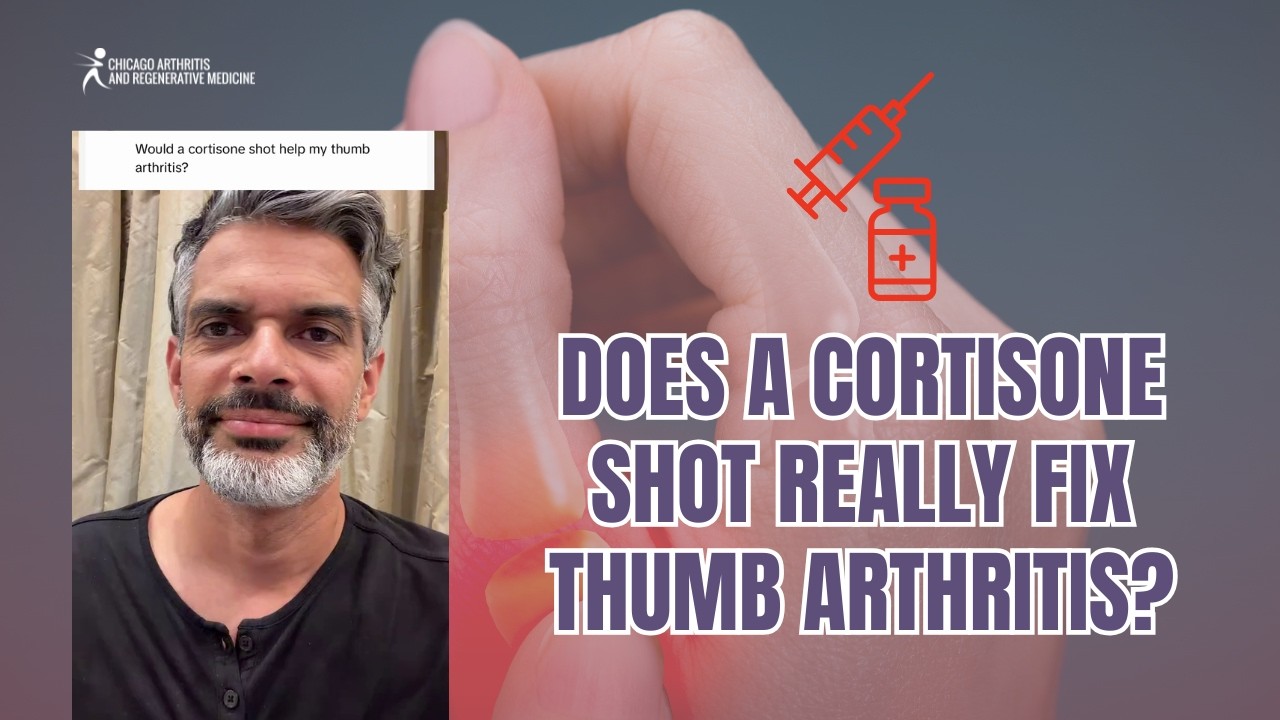
Thumb Arthritis: Why a Cortisone Shot Isn’t a Long-Term Fix
If you’ve been dealing with nagging pain at the base of your thumb, you’re not alone — and you’re not imagining it. Thumb osteoarthritis is becoming increasingly common, and there’s a very modern reason why.
Why Thumb Arthritis Is on the Rise
Osteoarthritis develops when the ligaments supporting a joint wear down over time. This causes small amounts of instability, which eventually leads to breakdown of the cartilage and bone — resulting in the pain you feel.
Historically, thumb arthritis was mostly seen in people who used their hands heavily for work or sports. Today, there’s a new culprit:
- Constant smartphone use — especially thumb typing and scrolling
- Repetitive fine motor tasks
- Occupational hand strain
As a result, more and more patients — often younger than expected — are showing up with early and progressive thumb arthritis.
First-Line Treatments for Thumb Osteoarthritis
Before jumping to injections, most rheumatology specialists recommend starting conservatively:
- Splinting to support the joint
- Over-the-counter joint supplements
- Hand therapy
- Modifying activities that aggravate the joint
What About Steroid (Cortisone) Injections?
When conservative treatment isn’t enough, a steroid injection is often the next step — and it can help. Steroids are powerful anti-inflammatories that reduce the inflammatory chemicals driving your pain. Research shows 70–80% of patients with thumb arthritis get some relief from a steroid injection.
But there are two significant downsides.
1. Side Effects Add Up
Repeated steroid injections can:
- Damage surrounding tissue, bone, and ligaments over time
- Affect your metabolic health if used frequently at high doses
2. The Relief Doesn’t Last
Steroid injections typically provide relief for weeks to a few months. That’s because they calm inflammation temporarily — but they don’t address the real problem: joint instability.
A Better Approach: Regenerative Medicine for Thumb Arthritis
Instead of just masking symptoms, regenerative medicine treatments target the underlying cause of thumb arthritis — instability in the joint.
Regenerative Treatment Options
- Prolotherapy – uses a dextrose (sugar water) solution to stimulate healing
- PRP (Platelet-Rich Plasma) Therapy – uses concentrated platelets from your own blood
- Bone Marrow Concentrate – a more advanced option using your own mesenchymal stem cells, platelets, and growth factors, typically reserved for more significant arthritis
Why These Treatments Work Better Long-Term
Unlike steroids, regenerative treatments:
- Reduce inflammation over a longer period — often showing their best results past the 6-month mark
- Treat more than just the joint — including ligaments, tendons, and surrounding soft tissue
- Improve joint stability, not just reduce pain
- Address the actual source of your arthritis, not just the symptoms
What to Look for in a Provider
Not all regenerative injections are created equal. To get the best results, your physician should:
- Use ultrasound guidance — this ensures the needle actually reaches the joint and ligaments accurately, rather than relying on guesswork
- Treat the ligaments, not just the joint itself, to restore stability
- Address all involved structures — including irritated tendons and nearby nerves. Many thumb arthritis patients also experience nerve irritation or carpal tunnel-like symptoms, which can be treated at the same time under ultrasound guidance
The Bottom Line
A steroid injection can offer short-term relief, but it doesn’t fix the instability driving your thumb arthritis. Regenerative medicine treatments — like PRP, prolotherapy, and bone marrow concentrate — are designed to treat the root cause, offering more lasting pain relief and improved joint function.
Ready to Explore Lasting Relief for Your Thumb Arthritis?
If cortisone shots have only given you temporary relief, it may be time to explore regenerative medicine options tailored to your specific joint health needs.
Visit ChicagoArthritis.com to learn more or schedule a consultation with our rheumatology and regenerative medicine specialists.
Thumb Arthritis Treatment: PRP Therapy in Chicago
What’s Causing Your Thumb Pain?