
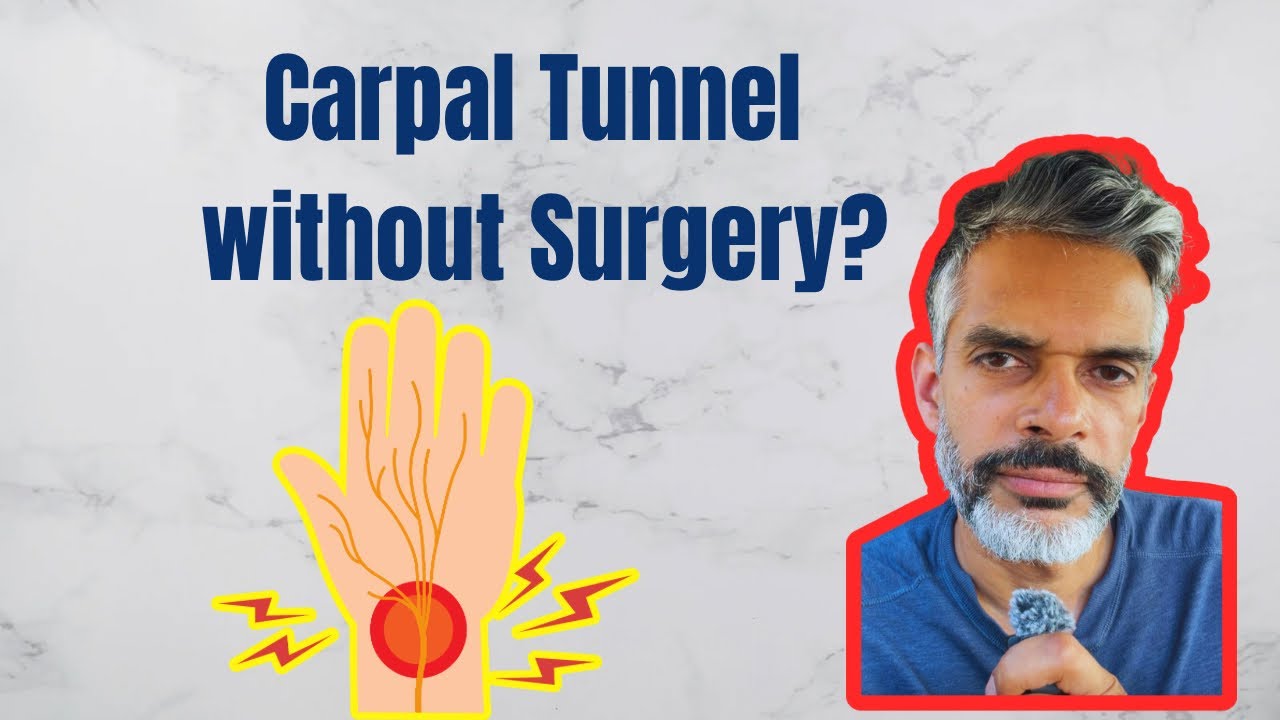
Can You Treat Carpal Tunnel Syndrome Without Surgery? A Chicago Rheumatologist Explains
If you’ve been waking up with numb, tingling fingers or noticing your grip isn’t what it used to be, you may be dealing with carpal tunnel syndrome. The good news? Surgery isn’t always the first — or only — answer.
At Chicago Arthritis, our team specializes in rheumatology and regenerative medicine, offering patients a full range of options before considering surgical intervention. Here’s what you need to know.
What Is Carpal Tunnel Syndrome?
Carpal tunnel syndrome happens when the median nerve becomes compressed as it travels through a narrow passageway in your wrist called the carpal tunnel.
Common symptoms include:
- Numbness or tingling in the thumb, index, middle, and half of the ring finger
- Burning or aching pain in the hand or wrist
- Weaker grip strength
- Dropping objects more frequently
Who Is at Risk?
Carpal tunnel syndrome tends to affect certain groups more than others, including:
- Women
- People with diabetes or thyroid disease
- Patients with rheumatoid arthritis or other inflammatory arthritis
- Pregnant individuals (due to fluid retention)
- People in occupations or sports involving repetitive, forceful hand use or vibration
If you fall into one of these categories and are experiencing symptoms, it’s worth getting evaluated by a rheumatology specialist.
Non-Surgical Treatment Options for Carpal Tunnel Syndrome
For mild to moderate cases, there are several effective ways to manage carpal tunnel syndrome without heading straight to surgery.
1. Wrist Bracing
Wearing a neutral-position wrist brace — especially at night — helps prevent your wrist from bending while you sleep. This reduces pressure on the median nerve and can meaningfully ease symptoms. These braces are widely available at pharmacies.
2. Activity Modification
Identifying and adjusting the repetitive hand motions that aggravate your wrist can reduce ongoing nerve irritation.
3. Treating Underlying Conditions
Since conditions like diabetes, thyroid disease, and inflammatory arthritis can contribute to or worsen carpal tunnel syndrome, managing these underlying issues is a key part of arthritis care and overall treatment.
Advanced Regenerative Medicine Options
When bracing and lifestyle changes aren’t enough, regenerative and ultrasound-guided procedures may offer additional relief.
Corticosteroid Injections
A steroid injection can reduce inflammation and provide short-term relief. However, this approach generally isn’t a long-term solution, and repeated injections near the nerve carry additional risks over time.
Ultrasound-Guided Hydrodissection
This technique uses ultrasound imaging to precisely guide a needle around the median nerve. A carefully calculated volume of fluid is injected to separate the nerve from surrounding tissue, potentially improving how well it glides within the carpal tunnel.
Platelet-Rich Plasma (PRP) / Platelet Lysate Therapy
In select patients, PRP therapy — where a concentrated form of your own platelets is isolated and injected around the nerve — can help address nerve irritation and surrounding scar tissue.
Research on PRP and hydrodissection techniques shows promising results, with some patients experiencing relief lasting several months to over a year.
Keys to Optimizing These Treatments:
- Use of ultrasound guidance for precise targeting
- Adequate fluid volume to properly hydrodissect the nerve
- Platelet lysate tends to outperform saline alone
- Adding a prolotherapy technique to treat the carpal ligaments may enhance results
Importantly, mild to moderate carpal tunnel syndrome tends to respond more reliably to these treatments than more advanced cases.
When Is Surgery the Right Choice?
Non-surgical treatments aren’t right for everyone. You should strongly consider a consultation for carpal tunnel release surgery if you experience:
- Persistent numbness despite conservative treatment
- Progressive hand weakness
- Muscle loss at the base of the thumb
- Test results showing more advanced nerve damage
Waiting too long once significant nerve damage has occurred may limit how fully your nerve can recover — so early evaluation matters.
The Bottom Line
Mild to moderate carpal tunnel syndrome often responds well to:
- Wrist bracing
- Activity modification
- Managing underlying medical conditions
- Ultrasound-guided procedures, including PRP therapy
For more advanced cases, surgery may be the best path to prevent permanent nerve damage.
Ready to Get Relief From Carpal Tunnel Symptoms?
If you’re experiencing numbness, tingling, or weakness in your hands, don’t wait for it to get worse. Our Chicago rheumatology and regenerative medicine team can help determine the right treatment path for you — surgical or not.
Visit ChicagoArthritis.com to learn more or schedule a consultation today.
Thumb Arthritis Treatment: PRP Therapy in Chicago
What’s Causing Your Thumb Pain?