
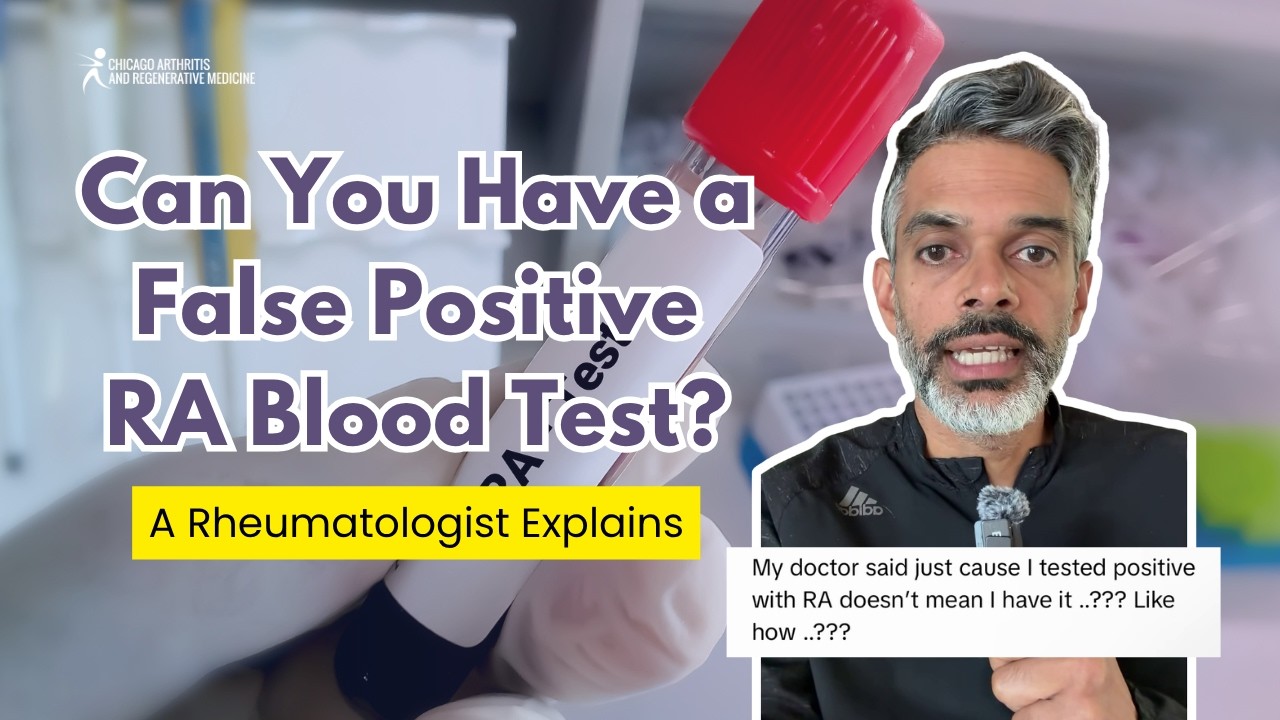
Positive Rheumatoid Arthritis Blood Test? Here’s Why You Might Not Have RA
If you recently got a rheumatoid arthritis (RA) blood test back positive — but your doctor told you that you don’t have RA — you’re not alone, and you’re not imagining things. This is actually a common and confusing situation for many patients.
As a Chicago Rheumatologist, this is one of the questions I hear most often. Let’s break down what’s really going on, and what you should do next.
What Is Rheumatoid Arthritis?
Rheumatoid arthritis is an autoimmune condition. That means your immune system mistakenly attacks your own joints — and sometimes other organs — instead of protecting you from illness.
RA can be:
- Progressive
- Severe if left untreated
- Highly treatable with the right care plan
Because of this, getting an accurate diagnosis matters. A true RA diagnosis usually leads to long-term immunosuppressive treatment, which works well but requires ongoing monitoring. That’s exactly why doctors don’t rely on a blood test alone.
How Rheumatoid Arthritis Is Actually Diagnosed
A proper RA diagnosis is based on three things together, not just one test:
1. Classic Symptoms
Especially in the small joints of the hands and feet.
2. Signs of Inflammation
Found either during a physical exam or on imaging (like ultrasound or X-ray).
3. Confirmatory Lab Testing
Antibody blood tests can support a diagnosis — but they are not required to make one.
The Two Most Common RA Antibody Tests
If your doctor tested your blood for RA, they likely checked:
- Rheumatoid Factor (RF)
- CCP Antibody (Anti-CCP)
Here’s the important part: these antibodies do not need to be present to diagnose RA, and being positive does not automatically mean you have RA.
Understanding False Positive RA Tests
A “false positive” means your lab test is positive, but you don’t actually have rheumatoid arthritis.
Here’s how common that is:
- Rheumatoid Factor: About a 5% false positive rate in young, healthy people — but this can rise to as high as 25% in older adults.
- CCP Antibody: More specific to RA, with a false positive rate of about 5%, regardless of age.
So if you’re positive for RF but don’t have joint inflammation on exam or imaging, you do not have RA.
Other Reasons Your Test Could Be Positive
A positive rheumatoid factor doesn’t always point to RA. Other possible causes include:
- Sjögren’s syndrome
- Sarcoidosis
- Chronic viral infections
- Certain blood cancers, such as lymphoma, leukemia, or multiple myeloma
This is why proper evaluation by a Rheumatology Specialist is so important — a positive test is a clue, not a verdict.
What Should You Do If You’re Positive but Don’t Have RA?
Here’s the good news: you generally don’t need to keep re-checking these antibodies. Once positive, they usually stay positive, and retesting doesn’t change your care plan.
Instead, focus on watching for symptoms, including:
- Pain and swelling in the joints
- Stiffness lasting more than one hour
- Pain that’s worse with rest or first thing in the morning
- Pain that improves with activity
If these symptoms develop, it’s time to follow up with a rheumatologist for re-evaluation.
When to See a Rheumatologist in Chicago
Whether you’re managing a confirmed autoimmune condition or simply monitoring a confusing lab result, working with an experienced Chicago Rheumatologist ensures you get an accurate diagnosis and the right treatment plan — not just a reaction to a number on a page.
At Chicago Arthritis, we specialize in:
- Arthritis Treatment Chicago patients trust
- Autoimmune Disease Treatment
- Osteoarthritis Treatment
- PRP Therapy and other Regenerative Medicine Chicago options
- Comprehensive Chronic Pain Management
Take Control of Your Joint Health
A positive RA blood test can be alarming, but it doesn’t have to mean a lifetime diagnosis. With the right evaluation, you can get clarity, peace of mind, and a personalized path forward for lasting joint pain relief.
Ready to get answers about your symptoms or lab results? 👉 Visit ChicagoArthritis.com to schedule a consultation with our expert rheumatology team today.
Making Smart Medical Decisions in Rheumatoid Arthritis Care
Top 5 Foods That Make Rheumatoid Arthritis Worse
Why I Use Ultrasound in Every Rheumatoid Arthritis Diagnosis