
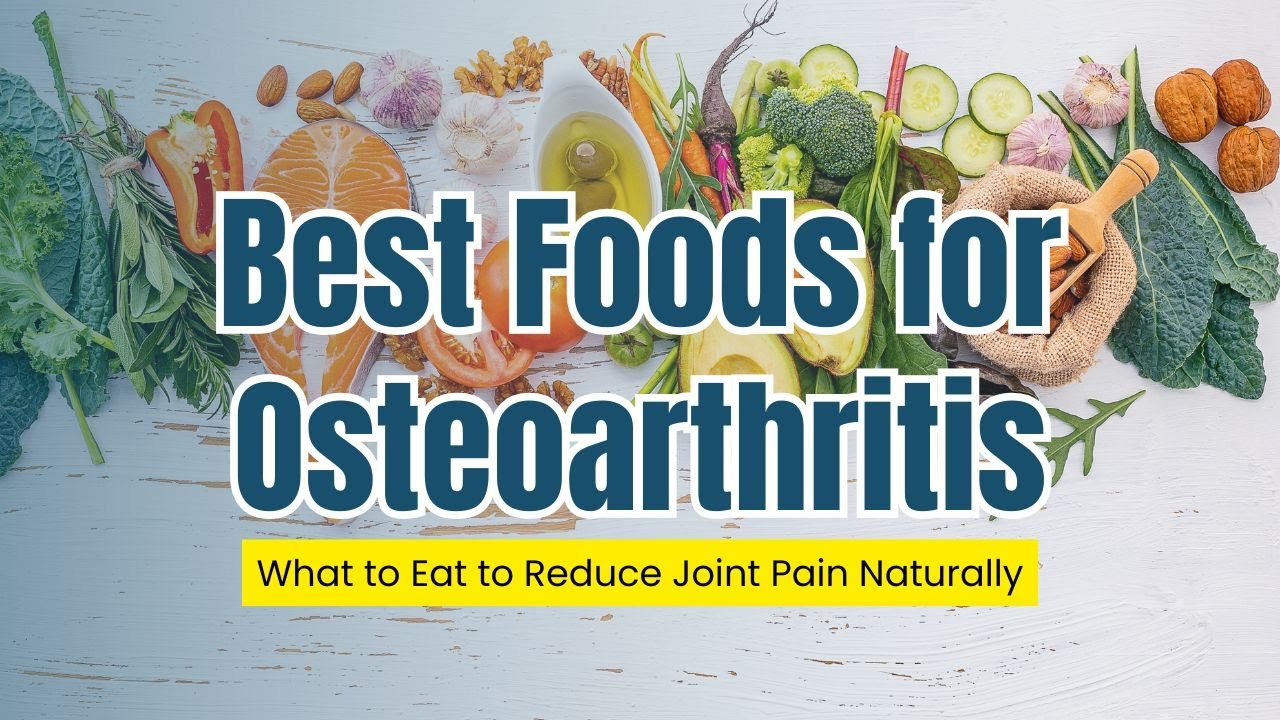
Living with osteoarthritis? The food you eat could be your most powerful medicine—or your greatest obstacle to pain relief. Let’s explore how diet affects osteoarthritis and which foods can support joint health naturally.
Understanding Osteoarthritis and Inflammation
Osteoarthritis (OA) is often seen as wear-and-tear arthritis, but it’s more than just aging cartilage. The real underlying issues are joint instability and low-grade chronic inflammation. While OA isn’t classified as an inflammatory arthritis like rheumatoid arthritis, there’s still subtle inflammation in the joints—and your diet plays a major role in that.
Certain foods can trigger inflammation by activating your immune system. These typically include processed foods, added sugars, and unhealthy fats. On the flip side, a diet rich in antioxidants, polyphenols, and omega-3 fatty acids can help reduce inflammation and support recovery.
Why Weight Matters
Extra weight is a major risk factor for developing and worsening osteoarthritis. Every extra pound adds four pounds of pressure on your knees. Just a 10-pound weight gain means 40 pounds of extra joint stress.
But it’s not just mechanical pressure. Belly fat also produces inflammatory chemicals called adipokines, which worsen joint inflammation. The good news? Losing just 5–10% of your body weight can significantly reduce pain and improve mobility.
Foods That Help Osteoarthritis
Here are the top foods that can help fight inflammation and support joint health:
-
Fatty Fish: Salmon, sardines, and mackerel are rich in omega-3s. Just two servings a week can reduce joint stiffness.
-
Berries: Blueberries, strawberries, and raspberries contain antioxidants that can help ease OA symptoms.
-
Leafy Greens: Spinach, kale, and collards are high in calcium, vitamin K, and antioxidants.
-
Olive Oil: Rich in oleocanthal, which has anti-inflammatory effects similar to ibuprofen.
-
Turmeric (Curcumin): Shown to reduce joint pain—just pair it with black pepper for better absorption.
-
Nuts and Seeds: Walnuts, chia, flaxseeds, and almonds are packed with healthy fats and nutrients.
Foods to Avoid
Some foods make inflammation worse and should be limited:
-
Added sugars
-
Refined carbohydrates (like white bread and pastries)
-
Fried foods
-
Processed meats
-
Seed oils (corn, soybean oil) high in omega-6s
Helpful Supplements
Supplements aren’t magic, but they can support your diet:
-
Omega-3 from fish oil or flaxseed
-
Curcumin
-
Glucosamine and Chondroitin – may help in up to 50% of cases
-
Vitamin D – especially if levels are low
-
Magnesium – supports nerve and muscle health
Sample Daily Diet
-
Breakfast: Overnight oats with chia seeds, berries, and walnuts
-
Lunch: Salmon or chicken salad with leafy greens and turmeric-olive oil dressing
-
Snack: Greek yogurt with blueberries or a handful of almonds
-
Dinner: Grilled fish or lentils with quinoa, sautéed kale, and olive oil
Final Thoughts
Osteoarthritis doesn’t have to mean chronic pain. The right foods can reduce inflammation, support weight loss, and help your joints feel stronger and more resilient. Combine a smart diet with regular movement and medical guidance, and your body will thank you.
How to Protect Your Body from Chronic Inflammation
How Exercise and Physical Therapy Helps Recovery After Your Regenerative Medicine Treatment
What to Expect During Your Regenerative Medicine Evaluation