
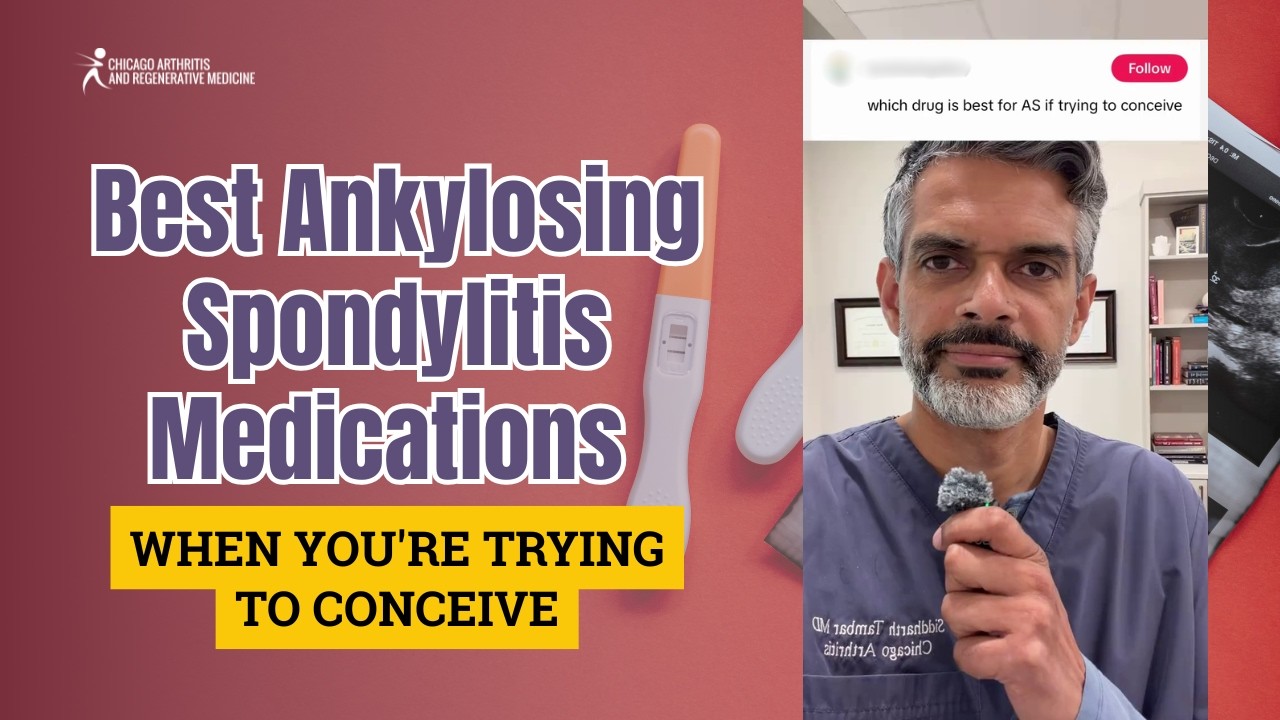
Ankylosing Spondylitis and Pregnancy: What You Need to Know Before You Conceive
Planning a pregnancy while living with ankylosing spondylitis (AS) can feel overwhelming. You may be wondering whether it’s safe to stay on your current medication, whether your symptoms will get worse, or whether you’ll need to switch treatments entirely.
The good news? With the right guidance from a Chicago rheumatologist, most women with AS can safely plan a pregnancy while keeping their condition under control.
Here’s what you need to know.
What Is Ankylosing Spondylitis?
Ankylosing spondylitis is an autoimmune condition, which means the immune system mistakenly attacks healthy tissue in the body. In AS, this attack most commonly targets:
- The spine
- Peripheral joints
- Tendons
In some cases, AS can also affect other organs, including the heart, lungs, and eyes. But for most patients, the spine and joints bear the brunt of the inflammation.
Without proper treatment, AS can lead to chronic pain, stiffness, and long-term joint damage. That’s why ongoing arthritis care is so important — even when you’re planning a family.
Does Pregnancy Improve or Worsen Ankylosing Spondylitis?
This is one of the most common questions patients ask. Unlike some autoimmune conditions that quiet down during pregnancy, AS typically remains active throughout pregnancy for most women.
Every patient is different, and some may notice periods of improvement. But in general, you should plan for your condition to require ongoing management, not a “pause,” while you’re pregnant.
This makes proactive planning with a rheumatology specialist essential before you try to conceive.
Is It Safe to Stay on Medication During Pregnancy?
Many patients assume they need to stop all medications before trying to get pregnant. In reality, stopping treatment altogether can allow inflammation to flare, which isn’t healthy for you or your baby.
Treatment Options Considered Safer During Pregnancy
Anti-inflammatory medications (NSAIDs) Drugs like ibuprofen or naproxen have historically been used during the first two trimesters, but are generally avoided in the third trimester due to risks to the baby.
Sulfasalazine This is a milder disease-modifying treatment with a well-established, low-risk profile during pregnancy. For some patients, this alone may be enough to manage symptoms.
Biologic therapy — Certolizumab (Cimzia) For patients who need stronger disease control, certolizumab is currently the best-studied biologic for use during pregnancy. As a TNF blocker, it can effectively reduce inflammation, and research supports its safety profile for both mother and baby.
Why Timing and Planning Matter
Ankylosing spondylitis doesn’t exist in isolation. It’s often linked to other inflammatory conditions, such as inflammatory bowel disease (IBD), which can become significantly more active during pregnancy.
Because of this, the ideal approach is to:
- Get your AS and any related autoimmune conditions under the best possible control before trying to conceive
- Work closely with your care team to choose medications that address your full health picture, not just your joint symptoms
- Monitor closely throughout pregnancy, adjusting treatment as needed
Building the Right Care Team
Successfully managing AS during pregnancy isn’t something you should navigate alone. The safest outcomes happen when you have:
- An OB/GYN experienced with high-risk or autoimmune pregnancies
- A rheumatologist who understands the nuances of AS treatment during pregnancy
- Any additional specialists needed for related autoimmune conditions
This coordinated approach ensures your treatment plan supports both your long-term joint health and a safe pregnancy.
Living Well With AS — Before, During, and After Pregnancy
Ankylosing spondylitis is a lifelong condition, but with the right arthritis treatment in Chicago, most patients can continue living active, fulfilling lives — including growing their families.
If you’re living with AS and thinking about pregnancy, don’t wait until symptoms flare to start the conversation. Early planning gives you and your doctor the best chance to keep both you and your baby healthy.
Ready to Talk to a Chicago Rheumatologist?
At Chicago Arthritis, we specialize in helping patients manage autoimmune and inflammatory conditions like ankylosing spondylitis with personalized, evidence-based care — including guidance for family planning and pregnancy.
Visit ChicagoArthritis.com to schedule a consultation and get a treatment plan built around your life goals.
How Ankylosing Spondylitis Differs in Men and Women
Medications for Ankylosing Spondylitis: What You Need to Know (Best Treatments & FAQs Answered!)
The Best Exercises for Ankylosing Spondylitis: Stay Active and Reduce Pain