
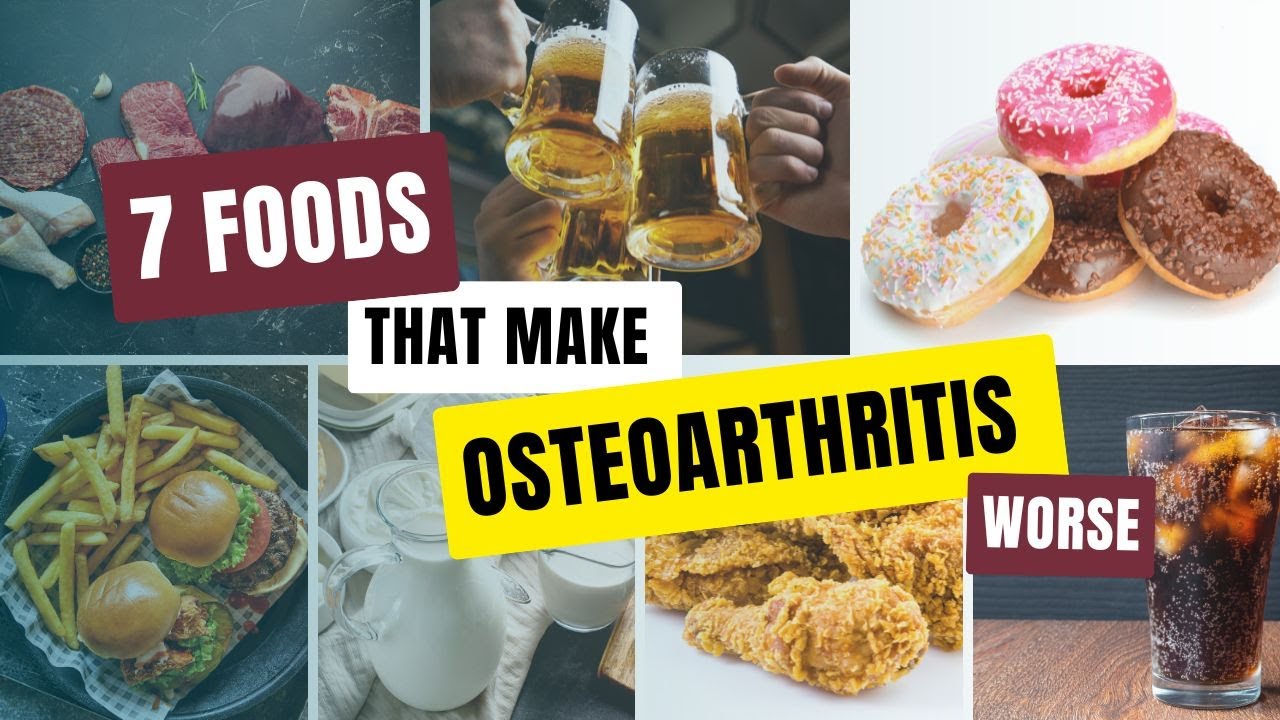
If you’re living with osteoarthritis, your joints may already feel the wear and tear of daily life. But did you know that what you eat could be accelerating that damage?
While osteoarthritis isn’t driven by the immune system like rheumatoid arthritis, inflammation still plays a critical role in your symptoms. Chronic inflammation can increase joint pain, swelling, and cartilage breakdown. The foods you eat every day can either reduce or aggravate that inflammation.
Let’s take a closer look at the foods most likely to worsen osteoarthritis—and what you can eat instead to help reduce pain and support healthier joints.
Why Diet Matters for Osteoarthritis
Osteoarthritis is the most common form of arthritis. It develops when cartilage—the cushion between your joints—gradually wears down. But the real problem goes beyond just mechanical damage. Chronic low-grade inflammation can speed up cartilage breakdown and increase pain.
Some foods trigger the immune system to release chemicals that worsen inflammation. Over time, this process can make osteoarthritis more painful and cause the joints to deteriorate more rapidly.
That’s why cutting out inflammatory foods is key if your goal is to feel better, slow the progression of osteoarthritis, and reduce the need for medications or procedures.
Top Foods to Avoid with Osteoarthritis
1. Refined Sugars
Found in: Soda, candy, pastries, packaged snacks
Why it’s bad: Refined sugars increase inflammatory messengers like cytokines. They also spike insulin levels, promoting weight gain—an extra burden on painful joints.
Better option: Replace soda with flavored sparkling water. Choose fruit or dark chocolate instead of cookies or candy.
2. Processed Carbohydrates & White Flour
Found in: White bread, pasta, crackers, breakfast cereals
Why it’s bad: These high-glycemic foods can raise blood sugar and trigger inflammation.
Better option: Opt for whole grains like quinoa, wild rice, oats, or sprouted grain breads.
3. Fried and Fast Foods
Found in: French fries, fried chicken, burgers, fast food
Why it’s bad: These foods are high in trans fats and omega-6 oils, which promote oxidative stress and inflammation. They also encourage weight gain.
Better option: Choose grilled or baked meals using olive oil. Try roasted vegetables, baked chicken, or air-fried alternatives.
4. Red Meat and Processed Meats
Found in: Beef, bacon, sausage, hot dogs
Why it’s bad: These meats contain compounds called AGEs (advanced glycation end products), which promote inflammation and cartilage damage.
Better option: Swap red and processed meats for fish like salmon or plant-based proteins such as lentils, beans, and tofu.
5. Dairy (for Some Individuals)
Found in: Milk, cheese, yogurt
Why it’s bad: For some people, dairy proteins may irritate the joint lining and trigger inflammation.
Better option: If you suspect dairy may be a trigger, try eliminating it for two weeks. Use almond milk, oat milk, or dairy-free yogurt as alternatives.
6. Alcohol
Why it’s bad: Excess alcohol can increase inflammation, disrupt gut health, and impair sleep—all of which can affect joint pain.
Better option: Limit alcohol to 1–2 drinks per week or consider avoiding it entirely for improved joint health.
7. Excess Omega-6 Fats
Found in: Corn oil, soybean oil, commercial salad dressings
Why it’s bad: Omega-6 fats compete with anti-inflammatory omega-3s. When omega-6s dominate, inflammation rises.
Better option: Cook with extra virgin olive oil. Eat more omega-3-rich foods like walnuts, chia seeds, flaxseeds, and fatty fish.
Watch Out for Personal Triggers
Some people with osteoarthritis may notice flare-ups after eating certain foods, even those not universally considered inflammatory. Common examples include nightshades like tomatoes and eggplant. While research is limited, keeping a food and symptom journal can help you identify individual triggers.
Simple Swaps to Support Joint Health
Here are some easy and effective dietary changes you can start today:
-
Instead of soda → Sparkling water with lemon
-
Instead of white bread → Sprouted whole grain bread
-
Instead of fried chicken → Grilled chicken
-
Instead of bacon and sausage → Wild-caught salmon
-
Instead of cheese sticks → Hummus and veggie sticks
-
Instead of candy → Fruit and dark chocolate
Food First, Procedures Later
At Chicago Arthritis and Regenerative Medicine, the philosophy is to start with low-risk lifestyle changes before escalating to procedures like prolotherapy, platelet-rich plasma (PRP), or bone marrow concentrate stem cell treatments. Surgery should always be the last resort—not the first step.
By making consistent, healthy food choices, you can reduce inflammation, experience less pain, rely less on medications, and maintain an active lifestyle.
Final Thoughts
Osteoarthritis may be a mechanical condition, but inflammation still plays a key role. Certain foods can quietly fuel that inflammation, making your joints hurt more and deteriorate faster. The right dietary choices can be one of the safest, most effective ways to manage symptoms and preserve joint function.
Start with food. Feel the difference.
Rheumatoid Arthritis vs Osteoarthritis- What is the difference?
Treating Osteoarthritis and Knee Pain with Regenerative Medicine
Who Should You Consult for Osteoarthritis? Discover the Specialists You Need to Know