
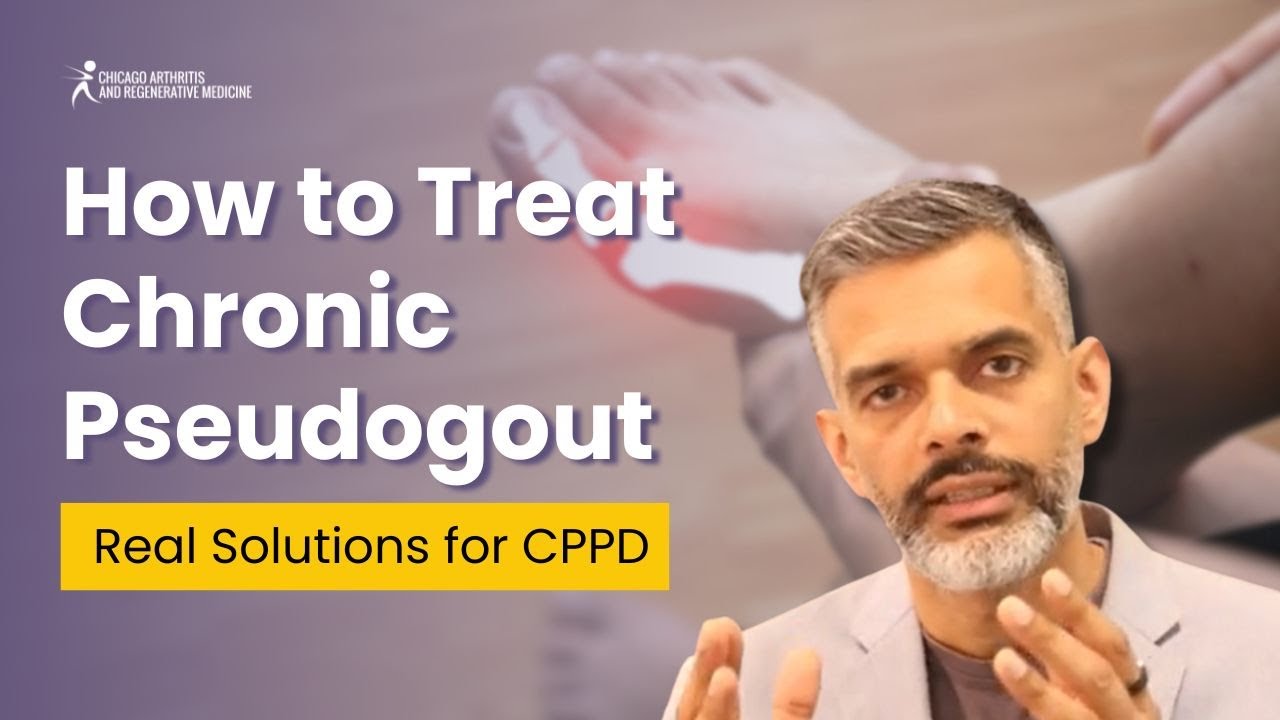
Are you still dealing with joint swelling and pain even though your gout tests are negative? You might have pseudogout, also known as Calcium Pyrophosphate Deposition Disease (CPPD). The key to managing this condition is controlling inflammation early—before it causes permanent joint damage.
CPPD starts when calcium pyrophosphate crystals build up in the cartilage and joints, triggering your immune system and causing pain, swelling, and dysfunction. Unlike osteoarthritis, CPPD is driven by inflammation, and that inflammation can lead to rapid joint destruction—sometimes even faster than rheumatoid arthritis.
If the condition becomes chronic and aggressive, short-term treatments like colchicine, NSAIDs, and steroids may no longer be enough. You’ll need a more comprehensive, anti-inflammatory strategy to truly preserve your joints.
The Role of DMARDs in CPPD
For patients with recurrent pseudogout flares, DMARDs (disease-modifying antirheumatic drugs) can reduce inflammation and help prevent future joint damage.
-
Methotrexate is often used as a foundational treatment.
-
Hydroxychloroquine may be safer for mild cases.
-
Low-dose colchicine can prevent flares, though it’s not technically a DMARD.
-
Biologics like IL-1 blockers or TNF inhibitors are rarely used but may be necessary in severe or refractory cases.
Doctors also monitor objective signs of inflammation using blood tests (CRP, ESR), imaging (ultrasound or MRI), and signs of erosive damage. If these markers are present, early intervention is key.
Lifestyle Matters, Too
While medications are essential, lifestyle changes support your treatment.
-
Follow a Mediterranean diet rich in vegetables, healthy fats, and lean protein.
-
Use supplements like omega-3s, turmeric, and curcumin.
-
Prioritize hydration, sleep, and weight management to reduce systemic inflammation.
Don’t Overdo Steroid Injections
Steroid injections are helpful for acute flares, but too many can harm joints long-term. If one or two joints are persistently inflamed, regenerative medicine may offer safer alternatives.
Regenerative Treatment Options
At Chicago Arthritis, Dr. Siddharth Tambar offers non-surgical treatments to reduce inflammation and promote joint healing:
-
Platelet-Rich Plasma (PRP)
-
Platelet Lysate (especially useful for nerves and inflammation)
-
Alpha-2 Macroglobulin (A2M) to protect cartilage
These aren’t standard care for CPPD, but in the right patients, they can be valuable—especially when steroids can’t be used.
Screen for Underlying Conditions
CPPD can be worsened by low magnesium, high calcium, parathyroid disease, thyroid issues, or hemochromatosis. Identifying and managing these can improve treatment success.
A Layered Approach Works Best
Managing CPPD is not about one treatment. It’s about a layered, personalized approach:
-
Control systemic inflammation with medication
-
Support healing with diet and lifestyle
-
Use targeted regenerative options when needed
-
Rule out deeper metabolic contributors
If your pseudogout is hard to control, it likely means it has become a chronic inflammatory condition. Early, smart treatment can protect your joints and improve your quality of life.
For more expert advice or to explore personalized care, visit ChicagoArthritis.com.
Understanding Pseudogout: Treatment, Causes, and Relief for Joint Pain
Gouty Tophi: Effective Diet, Medications, & Advanced Treatment to Control Gout
Managing Gout: Understanding Causes, Triggers, and Effective Treatments