
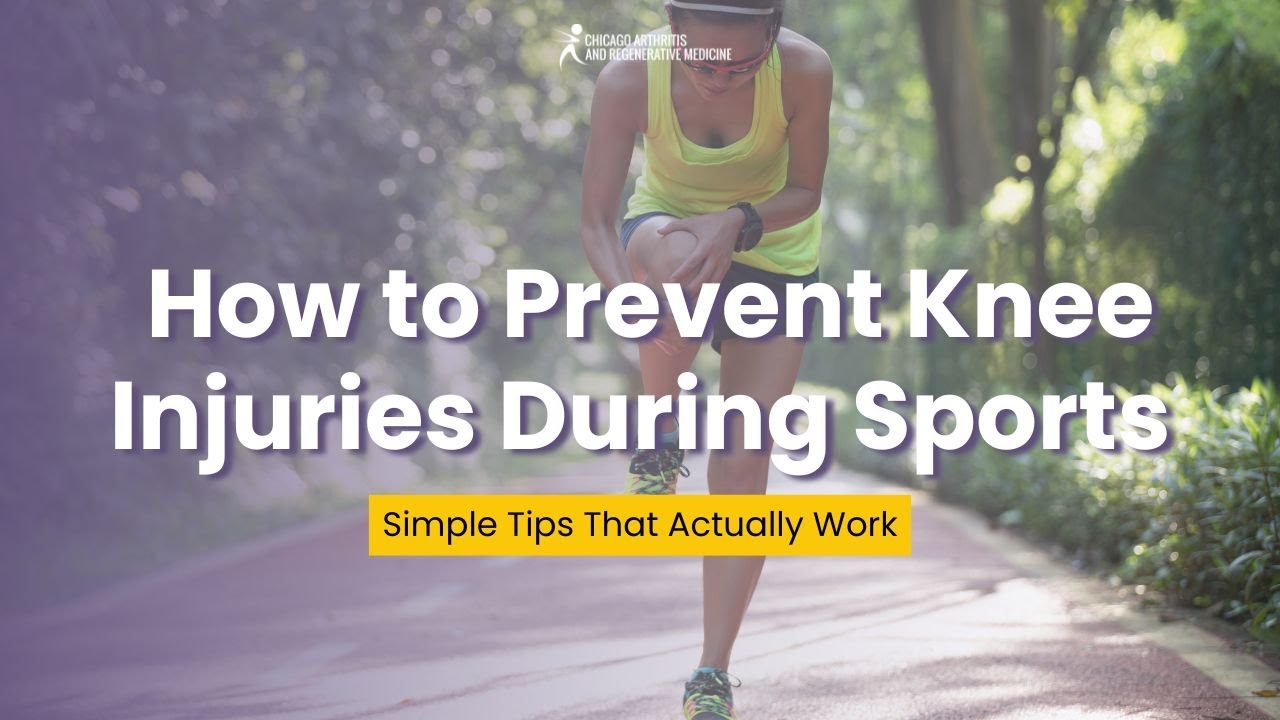
Do you worry about your knee popping, tearing, or giving out during sports? You’re not alone. Whether you’re an athlete or a weekend warrior, protecting your knees is key to staying active and pain-free.
Common Causes of Knee Injuries
Most knee injuries aren’t due to trauma—they result from cumulative stress, instability, and poor preparation. The three main causes include:
-
Instability: Weak or loose supporting ligaments, often from previous injuries.
-
Inflammation: Repetitive stress or underlying medical conditions.
-
Neurologic Issues: Poor muscle control or lack of coordination between brain and body.
If these aren’t addressed, your knees are at higher risk during any athletic movement.
Warm Up the Right Way
A rushed or skipped warmup is one of the most common mistakes. A proper dynamic warmup prepares muscles and joints for activity. Try this routine:
-
Leg swings (front-to-back, side-to-side)
-
High knees or light jogging in place
-
Lunges with torso rotation
-
Short jumping jacks
This boosts blood flow and signals your body that it’s time to move with purpose.
Build Knee-Stabilizing Strength
Strong muscles mean stable knees. Prioritize these areas in your strength routine:
-
Quads: Leg extensions, squats, step-ups
-
Hamstrings: Deadlifts, bridges, hamstring curls
-
Glutes: Hip thrusts, clamshells, lateral band walks
-
Calves: Heel raises
Even two to three sessions per week can make a big difference in injury prevention.
Don’t Skip Mobility and Balance Training
Tight muscles can pull your knees out of alignment. Incorporate:
-
Foam rolling: Quads, IT bands, calves
-
Stretches: Hip flexors, hamstrings
-
Balance drills: Single-leg stance on a cushion or BOSU ball, balance with eyes closed
This improves control and reaction time during sudden movements.
Focus on Recovery
What you do after workouts is just as important. Recovery helps repair tissues and reduce inflammation. Key strategies include:
-
Hydration: Essential for joint function
-
Sleep: 7–8 hours per night supports tissue repair
-
Anti-inflammatory nutrition: Foods like berries, salmon, and olive oil
-
Supplements: Collagen, turmeric, omega-3s (check with your doctor first)
Listen to your body. Don’t ignore soreness, swelling, or stiffness—they’re signs something’s off.
Avoid These Common Mistakes
Steer clear of these injury risks:
-
Skipping rest days
-
Wearing worn-out or unsupportive shoes
-
Ignoring persistent joint pain
-
Over-relying on knee braces
-
Jumping into high-impact workouts too fast
When to See a Doctor
Seek medical evaluation if you notice:
-
Swelling after activity
-
Pain lasting more than a week
-
Knee instability or giving out
-
Clicking or locking sensations
Early diagnosis of instability, inflammation, or poor neurologic control leads to better outcomes with conservative care.
Non-Surgical Treatments That Help
If conservative care hasn’t worked, regenerative medicine may help. We offer:
-
Prolotherapy: Dextrose injections to strengthen ligaments
-
PRP (Platelet-Rich Plasma): Uses your body’s growth factors to reduce inflammation
-
Bone marrow-derived stem cells: For advanced injuries and wear-and-tear
Also, we focus on nutritional and metabolic health because joint health is whole-body health.
Final Thoughts
Knee injuries don’t have to be part of your journey. With the right approach, you can stay active and pain-free. Start with one small habit—strength, stability, or recovery—and build from there.
Ready to take action? Watch the full video and visit ChicagoArthritis.com for expert guidance and personalized care.
Pain Behind the Knee? What It Means and How to Fix It Without Surgery
Jumper’s Knee Explained: Patellar Tendinitis Causes, Symptoms & Non-Surgical Treatment
How Many PRP Treatments Do You Really Need for Knee Arthritis?